


Technician training is changing, not only in the content that is needed to keep up with the accelerating technology in our vehicles, but also in the ways in which training can be provided and the technological aids to do this. With the rapid changes occurring the issue of continuing education raises it’s head. A lot of professions such doctors, accountants and engineers have ongoing continuing education requirements to retain a practitioner’s certification. Whilst this is not so for automotive technicians, it is definitely something good technicians should strive for.
Recent times have seen huge advancements in car technology focussed around electrical and CPU systems, EV and hybrid drive technology and ADAS systems. We are on the brink of self-driving vehicles which will up the ADAS related ante even further and the use of AI in car systems.
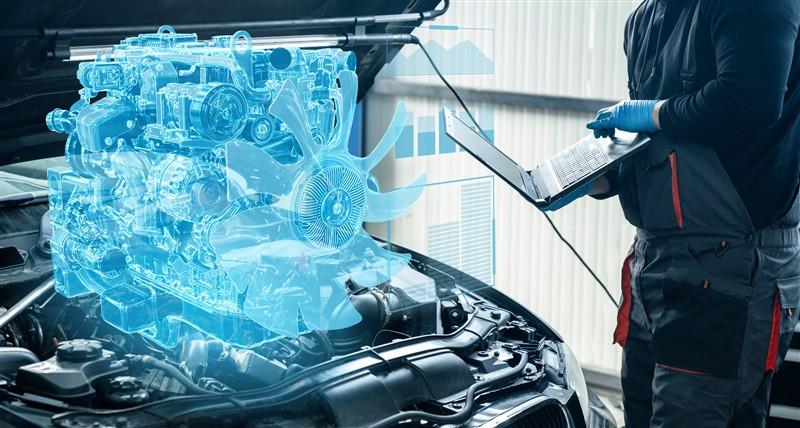
In terms of training apart from the ability to utilise online training we are also seeing developments in AR (Augmented Reality) and VR (Virtual Reality) systems for training. These systems are regularly displayed at overseas trade shows, but are still not common here due to the size of the New Zealand market. VR lets you operate equipment such as a spray gun in a virtual environment using a VR headset, without needing the actual equipment – it can feel quite realistic. AR overlays digital information, such as images, videos, or 3D models, onto the real-world environment using enhanced glasses that can highlight and add extra information to what the technician is seeing in real life, with the ability to pull up more information such as specifications or fitting instructions as they work
Some specific areas of training needed for today and tomorrow’s cars:
Electric and hybrid vehicle repair training.
Key areas include.
• High-voltage systems including safety protocols.
• EV battery diagnostics.
• Inverter, motor, and controller operation.
• EV charging infrastructure.
Diagnostics and telematics.
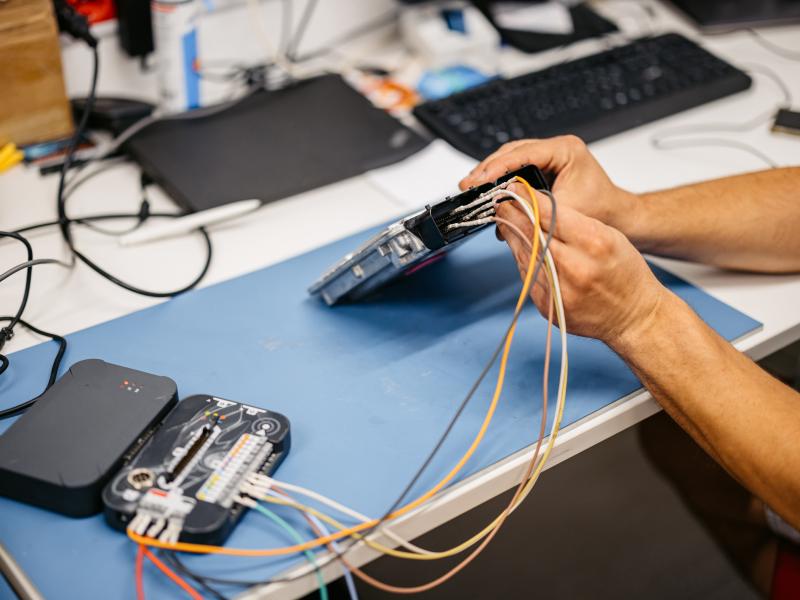
Cars are now a network of ECUs and sensors and are also increasingly being interconnected to the outside world via telematics for both communications, receiving updates and remote diagnostics
Training priorities include:
• On-board diagnostics and fault analysis using scan tools.
• Communication protocols such as CAN bus and automotive ethernet.
• Telematics systems and over-the-air (OTA) updates.
Software and ADAS
Common ADAS features include emergency braking, adaptive cruise control, blind spot monitoring and lane assist, which rely on a suite of integrated sensors such as cameras, radar, lidar and ultrasonics plus the associated control software. Understanding the role of the software and how to diagnose it are becoming critical including.
• Electronic control unit (ECU) calibration and firmware updates.
• Understanding ADAS technologies.
• Basic cybersecurity awareness.
The need for such training or retraining will only grow as cars become more sophisticated.