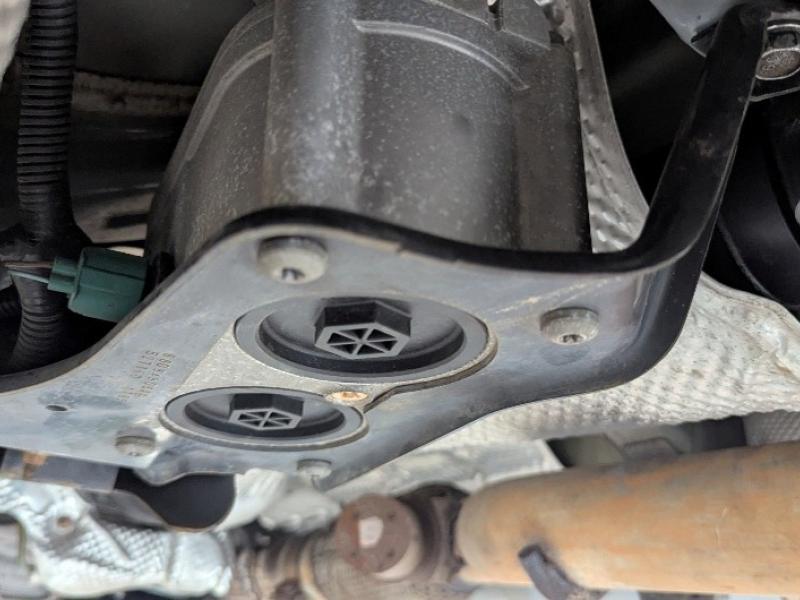



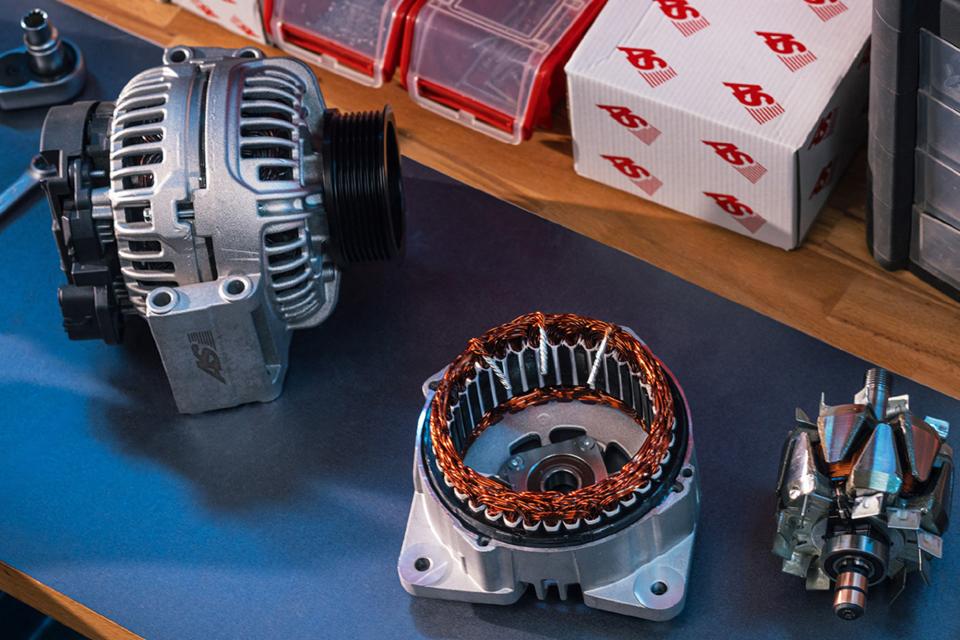
The vehicle returns to the workshop after just a few days. The alternator has been replaced, yet the charging issue remains. This scenario is not uncommon today and often leads to incorrect conclusions – both for the technician and the vehicle owner.
The most common assumption is simple: if there is no charging, the alternator must be at fault. In reality, however, the charging system is a set of interconnected components, and the alternator itself is only one part of the whole.
The problem lies beyond the alternator
In many cases, the root cause of the failure is located elsewhere. One of the most frequent sources of issues is the electrical system – damaged wiring, corroded connectors, or hidden open circuits can significantly disrupt the operation of the entire system.
Ground connections are another common culprit. Their deterioration leads to voltage drops and unstable operation of vehicle systems, which can easily be mistaken for an alternator fault.
The role of the battery should not be overlooked either. A worn or faulty battery affects how the entire charging system operates, and its condition is often misinterpreted as a problem with the newly installed component.
Modern systems – a greater challenge
Modern vehicles increasingly rely on intelligent energy management systems. This means that the alternator no longer operates independently but is controlled by the vehicle’s electronics.
In practice, a lack of charging may result not from a failure, but from system operation or communication issues between components. Without considering this context, misdiagnosis is highly likely.
Why does the problem return?
Recurring issues are most often the result of a “replace and check” approach. Replacing the alternator without verifying the entire system may bring only temporary improvement – or none at all.
Time pressure in the workshop often leads to incomplete diagnostics, increasing the risk of comebacks and customer complaints. In many cases, only measuring voltage under load or checking for voltage drops across wiring allows the true source of the problem to be identified.
What should be checked before replacement?
To avoid unnecessary costs and incorrect decisions, it is worth following a simple diagnostic sequence:
• Battery condition.
• Ground connections.
• Wiring and connectors (including potential open circuits).
• Correct alternator installation.
• Operation of the control system.
The system, not just the component
Cases where a new alternator does not solve the issue highlight one key point – effective repair starts with proper diagnostics. The charging system should be treated as a whole, not as a set of independent components.
More and more often, the source of the problem is not the part itself, but the way the fault is diagnosed. This is particularly important when working with remanufactured alternators. In many cases, the component itself meets all technical requirements, but unresolved issues within the vehicle lead to repeated failures and unnecessary warranty claims. For distributors, this highlights the importance of supporting proper diagnostics, not just parts replacement.