


As we noted in this month’s editorial EV, PHEV and hybrid vehicle numbers are growing strongly – especially with the current fuel crisis, whilst this will take a while to filter through to aftermarket repairers there are growing volumes of hybrids and earlier EVs in the car parc that will be coming your way.
So what is different and what do you need to service these electrified vehicles?
Well firstly the good news – the brakes, suspension and the low voltage (12 or 24V) wiring is basically the same as for ICE vehicles. For hybrids and PHEV models the ICE engine is also pretty familiar, with just the High Voltage (400 or 800v typically) battery, wiring, motors and controllers in new territory.
Safety and training are the number one priority to get involved in this – as the saying goes, “We don’t know what we don’t know.” Firstly, there are some significant safety issues around servicing EVs and they are not always obvious. These can affect any repair work on the vehicle, not just those related to the high voltage. A few common-sense precautions would be to ensure the vehicle is not plugged in to a charger, it is turned off and the keys are well removed from the vehicle and if working on the high voltage part of the vehicle have the correct PPE. Have demarcation barriers set up around the vehicle. Franchise dealers will usually have a nominated and trained “EV technician” who will make sure any EV in the workshop are safe before anyone is allowed to work on it and will have a suitable signage system showing it has been cleared.
Outside of this there are also risks from damaged batteries, including fire, which require special procedures. Typically, a franchise will have a safe area that an EV with damaged battery or wiring can be parked away from buildings or other vehicles till it can be made safe.
Equipment
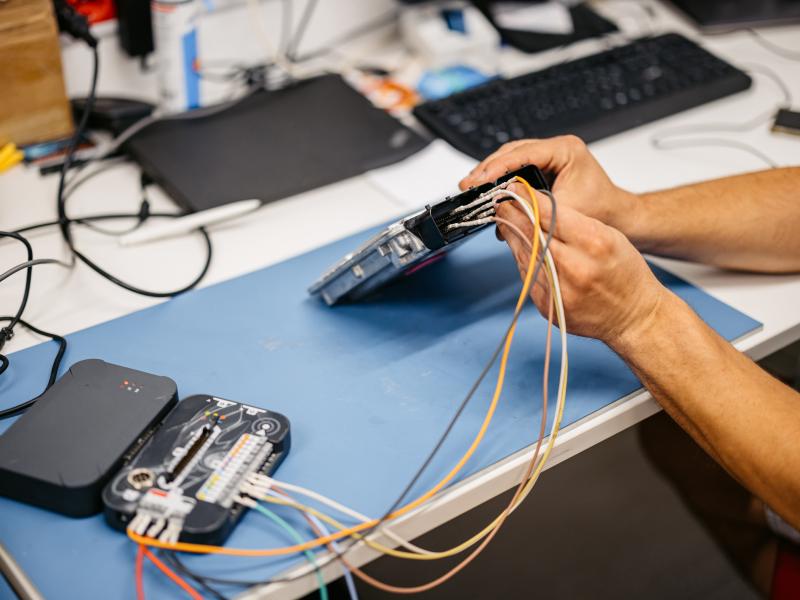
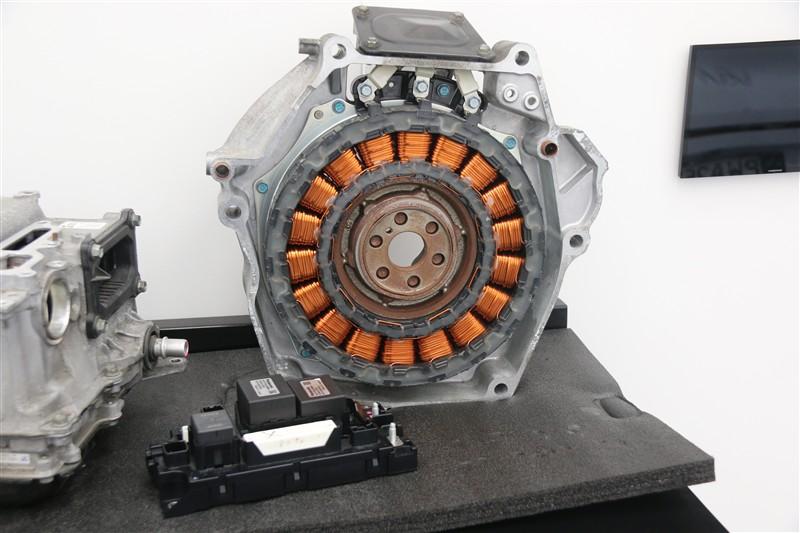
The amount of extra equipment you might require will depend on the level of repairs you want to do, some insulated tools and PPE, existing Scan tools may be suitable and there are a number of specialist such as a Megger Meter, DAR tester and maybe the automated All Test Pro 34 or similar you will need if looking to repair the motor/generator units.
Charger
Having a charger not only allows you to test the vehicle’s charging system but also allows you to top up the battery as a customer service. Generally, in a workshop situation we are looking at single-phase AC chargers these can range from plugging in to a standard 24v 10amp outlet or better into a dedicated AC charger – commonly called a wallbox). A typical single phase wallbox is 7.5kW which provides the equivalent of around 40km of range in an hour of recharging (versus around 10km for a standard plug). A 50kW DC public charger delivers more like 300km in an hour. These units are reasonably priced, installation costs though can vary depending on your workshops power infrastructure and the head room of your power supply.