


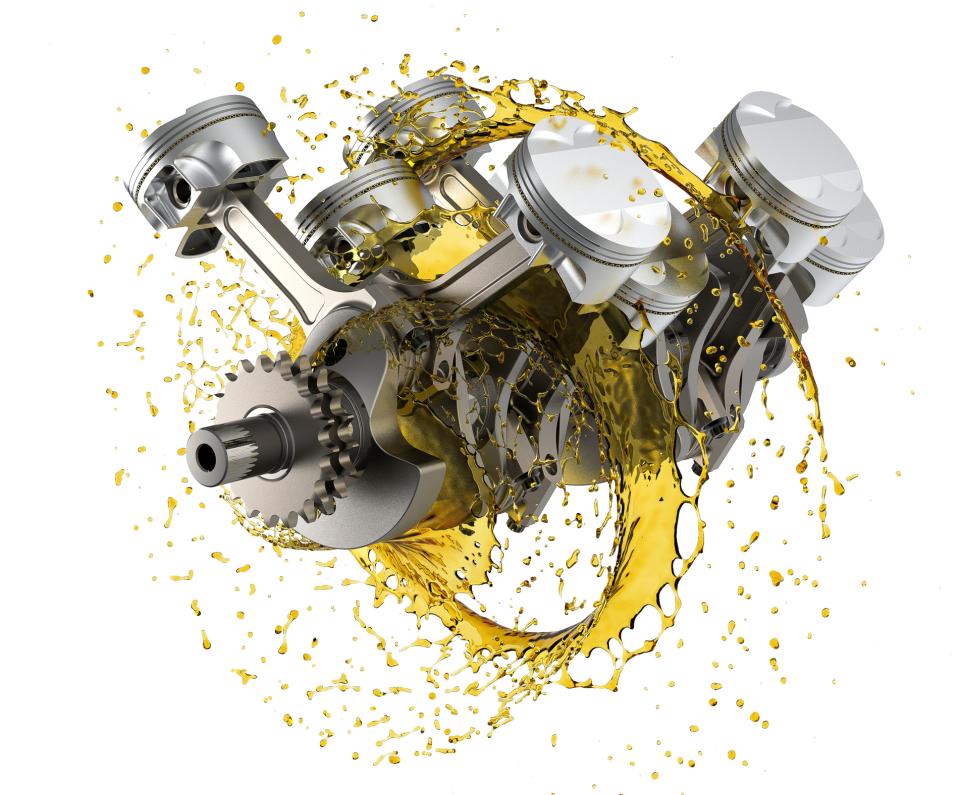
The basic function of engine oil, to protect the engines moving parts from physical contact, reducing friction and subsequent wear has not changed since the first car roared into life. However, the engine oils mission has grown a lot more complex as engine technology has developed from large, lazy engines to modern day high speed, high temperature compact units with tight packaging requirements. In today’s context they need to do so much more. They need to prevent internal corrosion, reduce the build-up of harmful internal deposits and sludge, enhance efficiency and performance, aid cooling and ensure they maintain their performance between oil changes where the interval keeps extending.
Early days
Engine oil at the birth of the motor vehicle was pretty simple, it was directly derived from crude oil to offer basic lubrication. The goal was to minimise friction and wear, a key focus was on viscosity to ensure the oil could circulate and protect at typical operating temperatures.
Additives and multi-grade
As engines grew in complexity, performance additive packages were developed that enhanced the oils properties to include the additional functionality required. A big step forward was the development of multi-grade oils, which can behave as low viscosity oil at low temperatures (W or cranking rating) and as a high viscosity oil at higher operating temperatures (measured at 100 degrees). This is achieved by utilising viscosity index improvers.
Synthetic oils
The next big development was the introduction of synthetic based oils. Synthetic oils can be precisely formulated to provide the required properties such as increased thermal stability, reduced oxidation and to match specific performance factors. It is common to blend synthetic and mineral oils stocks to improve on the base oil properties at a lower cost than a full mineral oil package.
Improving the recipe
As time advanced the additive packages have been constantly reformatted to cope with the advances in engine technology, which led to higher specific power outputs, smaller higher revving engines operating at higher temperatures and ubiquitous turbocharging amongst other things. Detergents, dispersants, anti-wear and anti-friction agents all improved to keep pace with the specifications demanded by the vehicle manufacturers to match the engine technology.
Hybrids and the environment
Now hybrid and PHEV vehicles demand new approaches, with the engines often operating for shorter periods at cooler temperatures, which requires a different set of properties for the oil. Environmental awareness means looking for formulations with lower environmental footprints in their manufacture and disposal, including potentially biodegradable components.
EVs
EVs also require oil but the requirements are quite different as they must be formulated for heat transfer and electrical conductivity as well as lubrication.
A lot of the future developments will focus on synthetic oils as there is more potential to customise these and they improve sustainability. One thing is certain, we will keep seeing changes in the formulations of oil to keep up with advancing technology.