


Hybrid vehicles have many of the same repair needs as ICE vehicles, including an ICE engine and even EVs still have general electrics, suspension, brakes etc to service. The difference is obviously in the Electric drive part.
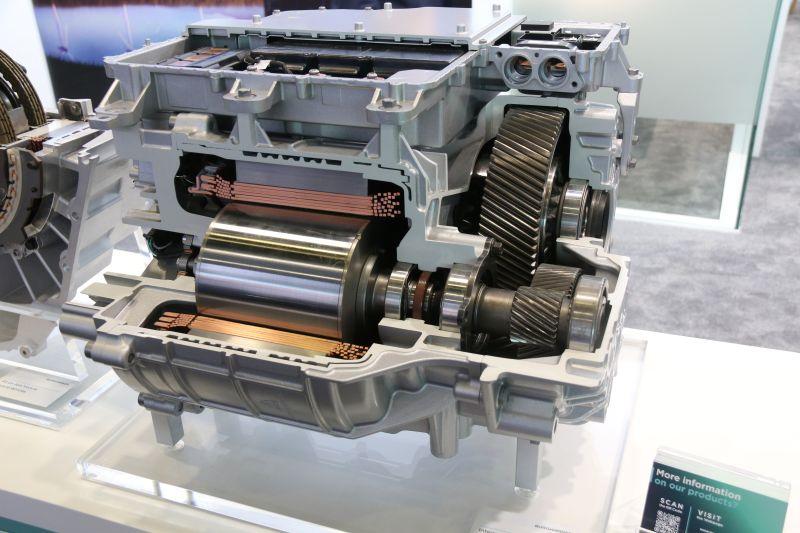
In a hybrid (HEV) or plug in hybrid (PHEV) this would comprise the drive motors, generator (usually integrated with at least one of the drive motors), battery and control unit, in a pure Ev (BEV) it would be the complete traction system.
Even without training you can do repairs on the non-EV parts, although you should at least be aware of some of the basic additional safety requirements.
If you want to repair the EV components it would pay to ensure any personnel doing this work have had adequate training. Apart from any thing else not doing this would leave you open to Health and Safety charges if anything went wrong. Several bodies provide suitable training including but not limited to GPC (Repco/NAPA), AECS and MITO.
This training will start with safety and then look at what specialised equipment you may need and covert how to diagnose and repair and determine what you can repair vs maybe needing to send out for specialised repair.
The Vehicle manufacturers also have specialised training for their own staff to work on their specific vehicles, this is usually tiered from training to do everyday servicing, to specialised diagnosis to specialised repair – such as replacing a battery cell.
We keep coming back to safety – the early EV and hybrid models used a 400v DC (nominal) system but a number of more recent ones now feature 800v systems, with some going even higher increasing the risk. Voltages above 60v are regarded as high voltage and hazardous to humans.
The other hazard to be aware of is the potential risk of a battery fire from thermal runaway (There was a recent example at a Tauranga charging station). These fires are notoriously difficult to put out. Audi NZ have a requirement from their parent company for an isolation area at any of their dealership’s servicing EVs. These can be used if the battery is damaged or faulty the vehicle can be isolated away from people and buildings.
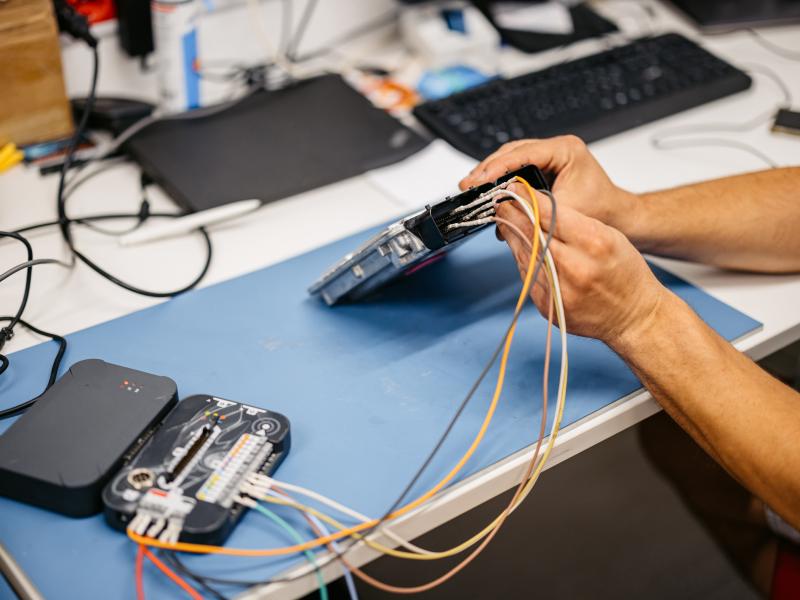
Basic diagnostic tools are reasonably affordable but if you want to get into more complex diagnostics of the motor/drive unit then the costs can increase significantly. Smaller workshops who might do few of these repairs may find it more economic to use outwork.
Servicing EV and hybrid vehicles
Servicing EV and hybrid vehicles
Servicing
Friday, 30 May 2025
Related Articles
Friday, 02 October 2026
If my memory serves me right, other than a couple of Jeep technical bulletins, I have never written a Jeep article for anyone. It’s not because I might offend a passionate Jeep owner. It’s because it...
Friday, 02 October 2026
New enrolments in MITO’s on-job training programmes for the automotive, commercial road transport, extractives, drilling, gas, and logistics sectors are up 23 per cent compared to the same period in...

Friday, 02 October 2026
On Tuesday 1 September, the inaugural MITO Industry Summit and Awards was held at Wellington’s Michael Fowler Centre. Over 200 senior stakeholders from across industry, government, education, and...