


The Government has announced changes, to light vehicle inspections, which will start to come into effect from 1 November 2026. This follows a review of over 5,000 responses to last year’s consultation phase.
There are changes to inspections for cars, vans, people-movers, trailers and rental vehicles. There are also changes for motorcycles registered before 1 January 2000.
Inspection frequency
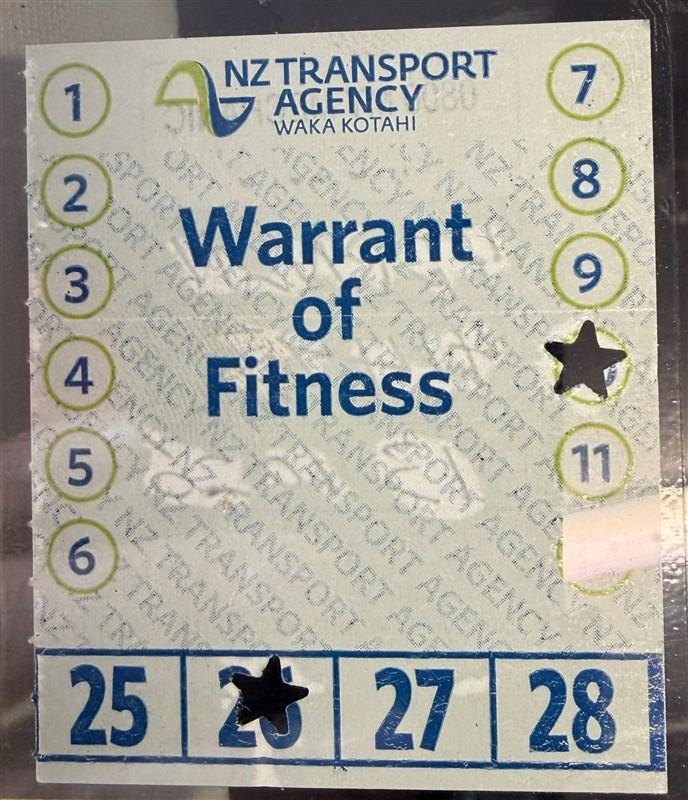
Fewer inspections for light vehicles at lower risk of crashes, new cars now only require a 2nd WoF inspection at four years (three currently), vehicles from 4-14 years of age will extend to a two yearly WoF in two tranches, from November this year vehicles registered after 1st November 2019 and from November 2027 vehicles registered since 1st November 2013. Older vehicles and motorcycles up to 26 years old will move from six-monthly to annual WoFs. Light Rental vehicles subject to a CoF will also move from six-monthly to annual inspections.
Inspection scope
WoF and CoF A inspections will check that no warning or malfunction indicators are showing for Automatic Emergency Braking (AEB) and Lane Keep Assist systems (where fitted).
Enforcement and public awareness
• The infringement fee for operating a vehicle with a WoF expired by more than two months will increase from $200 to $350.
• Penalties for noncompliant wheels and tyres will increase from $150 to $350 (infringement fee) and up to $1,000 (maximum court ordered fine).
• Public education will help people understand how to maintain their vehicles between inspections.
The changes aim to cut down on unnecessary costs while keeping people safe on the road.
MTA response
Changes to the Warrant of Fitness announced by Government don’t add up, the Motor Trade Association (MTA) says.
MTA Head of Advocacy James McDowall says the changes have been pitched by Government as a cost-saving measure for motorists under pressure from the cost of living and fuel prices.
“The saving of one less WoF a year is around $70, and while that may be well-intentioned, motorists will probably end up paying more in other costs – larger maintenance and repair bills due to the delay in inspections,” Dr McDowall says.
MTA is concerned there is a cost to safety too. New Zealand’s road toll is very poor by developed nation standards, and the country’s fleet is the second-oldest in the OECD.
“When we canvassed MTA members, who conduct 80 percent of WoF inspections, for their views on the Government’s proposals last year there was widespread consensus that they would mean more unsafe vehicles on the roads,” Dr McDowall says.
“The failure rate for WoF is currently 41 percent with the existing rules, and at any given time there are over half a million vehicles on the road without a valid WoF. The new structure is hardly going to improve those figures.
“In the original proposal, vehicles up to 10 years old would have been able to get a warrant every two years. That’s now been increased to 14 years (with effect from next year).
“You don’t have to be a mechanic to realise that many cars deteriorate as they age. One in three vehicles between eight and 10 years old already presents with safety-related issues every year.
“Vehicles only needing a warrant every two years up to the age of 14 is going to mean more vehicles on the roads with dangerous faults like worn tyres and brakes. The reality is many motorists simply don’t keep a close eye on their vehicle’s condition, and rely on the WoF to find safety issues.”
For that reason, MTA recommended the first warrant to last three years – not four – and for the twice-yearly check to end at seven years.