



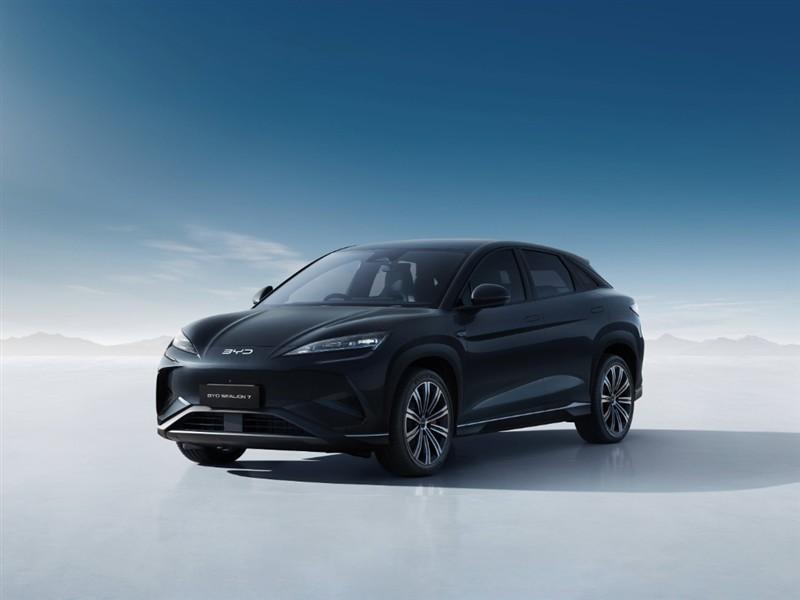
March 2026 saw five Chinese manufactured car brands in the MIA new car sales top 15 – the highest being BYD at 4th with 866 sales, with four of them also in the top 15 YTD (again BYD is top at 6th YTD . 2025 ended with three Chinese brands in the top 15 with BYD at tenth.
Three of the brands are now quite established in NZ – BYD, MG and GWM (Great Wall Motors – which includes GWM, Haval/Tank and ORA brands). New brands seem to be arriving almost monthly – at our calculation there are 22 Chinese brands on sale here (bringing the market to 53 brands in total) and we know of a number of others will potentially arrive in 2026.
They are being aided in this growth by the fact that Chinese brands are ahead of the curve for EV/PHEV and hybrid models, with most brands sporting at least two of the three alternatives across their model range. With the fuel shock in March it is hardly surprising they had a sales surge as Kiwis look to save money at the pumps.
The Chinese models mostly look very modern and offer a full suite of the features car buyers look for. Under the surface the software may not be quite as sophisticated as Japanese/Korean and European competitors and the suspension settings may not be quite what we prefer, but the cars provide great value and meet the electrification needs that many established brands are only starting to provide. This follows a familiar pattern when new countries look to internationalise their cars, we have previously seen this when the Korean manufacturers entered the market, with initially less sophisticated cars, but quickly caught up over successive model introductions to match or even exceed existing competitors in terms of sophistication. Arguably the Chinese brands are starting at a point much closer to the end goal than say the early Hyundai Ponies in the 1980s. GWM for example has now started a significant development programme in Australia titled At1 to tune the suspension, steering and driver assistance to local Australasian conditions.
This change in make/model (and motive power) mix will filter through to the repair industry over the next few years, and you will need to look at getting familiar with the technology used by these brands and the different aspects of servicing plus look at your supply chain for spare parts, which may be different.
One concern is that it is quite probable that not all the brands will ultimately survive in the NZ market – there just seems to be too much make/model proliferation for our small market. Many brands may not get the scale to sustain a dealer/parts/service network into the future, which will have its impact on owners and workshops. Others will find that distribution is taken away from local hands as the brands establish their own operations in New Zealand, a number are already factory owned including GWM and MG. Reportedly there are also strong challenges in their home market with a surplus of brands and significant discounting challenging some of the weaker brands existence.
China Syndrome
China Syndrome
Other
Thursday, 30 April 2026
Related Articles

Friday, 02 October 2026
A pilot programme’s runaway demand has exposed just how many promising New Zealand startups are being turned away by traditional bank lending.

Thursday, 27 August 2026
New Zealand small businesses are facing one of the biggest shifts in customer discovery since the rise of Google Search, as AI-powered tools change how consumers find, compare and choose who to hire...

Thursday, 30 July 2026
New data from Employment Hero shows New Zealand’s small and medium business sector continuing to add headcount in May, even as wage growth stalled completely on an annual basis,