


Whilst many aspects of servicing are the same regardless of the country of origin of the vehicle there are also some distinct differences.
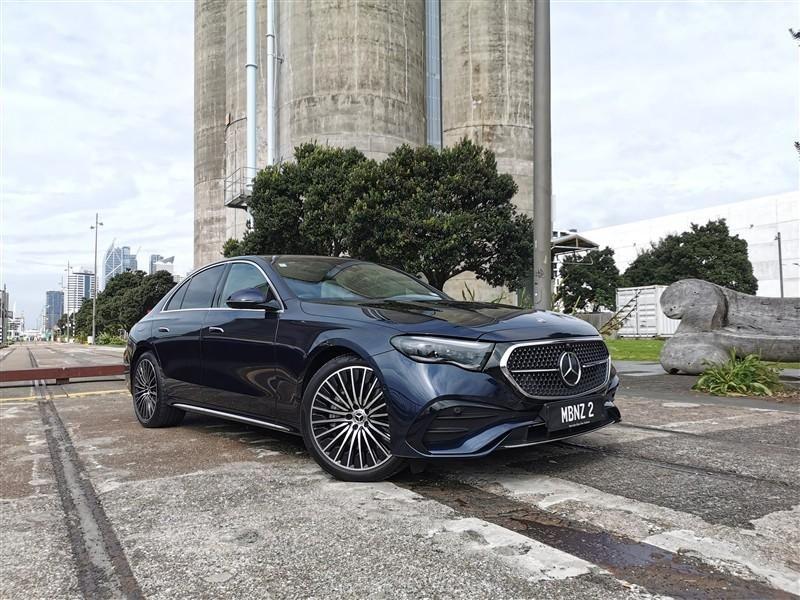
We are seeing a growing range of European vehicles and a move away from what used to be a focus in the luxury and executive segment. Brands such as Volkswagen, Skoda and Peugeot compete in the main segment of the market, with sales in the thousands each year (Volkswagen sold around 3,800 new cars in 2024) whilst the classic luxury European brands Audi, BMW and Mercedes also have good volumes of sales – Mercedes selling close to 2,500 in 2024.
There are a range of other brands such as Alfa Romeo, Jaguar, Land Rover, Mini, Porsche, Renault and Seat with lower volumes and some non-European manufacturers also include European sourced models within their line-ups.
In the more mainstream models, the technology will be similar to Japanese and Korean competitors, but due to the lower volumes parts prices are likely to be higher. In the luxury segment technologies tend to be more leading edge with more complex repairs and parts pricing that reflects the initial investment cost.
There are some specific technical differences with European vehicles, for instance European manufacturers often favour dual clutch systems vs traditional automatics and can have more stringent emissions technology fitted based on their home market (Many European diesels use Ad Blue for instance)
The main servicing challenge is likely to be the harder access to spares due to the smaller car parts for some of the brands in the New Zealand market. However, the aftermarket suppliers such as Repco, NAPA and BNT all now carry a comprehensive range of European spares and there are some specialist aftermarket suppliers for European spares, meaning there are good options beyond the franchise side of the industry. A lot of the well-known OEM suppliers such as Dayco, Bendix and Bosch are European based giving a strong connection with European brands, so have an extensive range of parts.
There will be less recycled parts available due to the lower volume of vehicles on the road, but there are dismantlers that specialise in specific brands which aids in finding the parts you might need.
So, there is no need to be scared of servicing modern European cars, as they are not the prima donnas of yesterday!